My Science-Backed Protocol for Plantar Fasciitis Relief
- Colleen Frances

- Jun 19, 2025
- 3 min read
Updated: Jun 30, 2025
After years of trial and error, I've developed a protocol that supports both tissue recovery and pain management. Here's a breakdown of each component and the science behind why it helps.

Low Light Laser Therapy (LLLT)
I use a therapeutic light device with a deep tissue setting to target both my calves and the plantar region of my feet.
How it works:
LLLT, also called photobiomodulation, uses red and near-infrared light to stimulate cellular repair, reduce inflammation, and improve blood flow.
It activates cytochrome c oxidase in the mitochondria, which helps boost ATP production — energy that’s crucial for tissue repair.
Research has shown that LLLT can reduce pain and improve function in people with plantar fasciitis, especially when used consistently over several weeks.¹
My routine:
15 minutes on the calf
15 minutes on the plantar surface of the foot
Treating the calf is key — tightness in the gastrocnemius and soleus muscles can increase tension on the plantar fascia.
Important Note: Never apply essential oils before laser therapy. Oils — especially those containing photosensitive compounds or certain carriers — can interfere with light penetration or increase the risk of skin irritation. Always apply oils after laser therapy, or at a separate time.

Stretching and Strengthening Exercises
Immediately after laser therapy, I move into a series of targeted exercises:
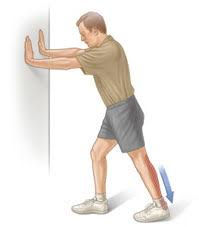
Wall stretches and stair stretches to lengthen the gastrocnemius, soleus, and Achilles tendon
Strengthening exercises for intrinsic foot muscles and ankle stabilizers
Why this matters:
Studies have consistently shown that tight calves are a contributing factor to plantar fasciitis.²
Strengthening exercises improve foot biomechanics and redistribute mechanical load—reducing strain on the fascia itself.
Dynamic stretching post-laser helps capitalize on the improved blood flow and tissue pliability.
Topical Essential Oil Application
After stretching, I apply my Ache Away blend, a proprietary mix of essential oils chosen for their anti-inflammatory, analgesic, and circulation-boosting properties.
I massage it into the:
Calves
Ankles
Soles of my feet
Key components in my blend include:
Roman Chamomile (Chamaemelum nobile): Known for its strong anti-inflammatory and antispasmodic properties, making it ideal for relieving muscle and nerve pain
Lavender (Lavandula angustifolia): Soothes both the nervous system and localized discomfort, offering gentle pain relief and promoting relaxation
Rosemary (Rosmarinus officinalis): Supports circulation, reduces stiffness, and has been shown to help with musculoskeletal pain
Ylang Ylang (Cananga odorata): Helps reduce tension and stress, while offering mild analgesic benefits
Frankincense (Boswellia carterii): Renowned for its ability to reduce inflammation and support overall tissue healing
When topical oils are applied after movement and tissue work, they can help calm inflammation, ease muscle tension, and support the body’s natural healing response — not to mention the emotional relief that comes with soothing pain holistically.

Proper Footwear (Yes, It Matters)
While this post is focused on my therapeutic routine, I’d be remiss not to mention one of the most foundational elements of plantar fasciitis care: supportive footwear. The right shoes can reduce daily strain, promote proper alignment, and prevent flare-ups.
Even the best therapy plan can be undermined by unsupportive shoes — so be mindful of your footwear throughout the day, not just during workouts or errands.

Frequency & Consistency
How often I follow this protocol depends on my level of activity:
On low-activity weeks, I do this routine 2–3 times
On high-activity weeks, I’ll do it daily, especially if I know I’ve overexerted myself
The key is consistency. The effects of laser therapy, stretching, and essential oils are cumulative. Regular care helps shorten flare-ups and prevent setbacks.

Final Thoughts
Plantar fasciitis can feel relentless, but relief is possible when we address the problem at its root. Inflammation, tissue tension, and structural imbalance don’t go away on their own. A holistic, science-supported routine like this one addresses all three.
If you're exploring alternative or complementary options for your own healing journey, I invite you to try this approach. I also offer aromatherapy support and laser therapy sessions as part of my holistic wellness services for both people and their pets. You're welcome to reach out if you're curious about creating a personalized protocol for yourself.
Healing starts from the ground up — and sometimes, that includes your feet.


Comments